 1 (866) 468-7697
Natural Gas versus Diesel Generators: Comparing Efficiency and Performance for Your Industry
If you’re in an industry like healthcare, construction, or technology, you understand that having a reliable generator is crucial. But should you go with a natural gas versus diesel generators? Picking between these two fuel types isn’t just about price; it’s about efficiency, availability, maintenance, and long-term costs. We weigh the pros and cons below.
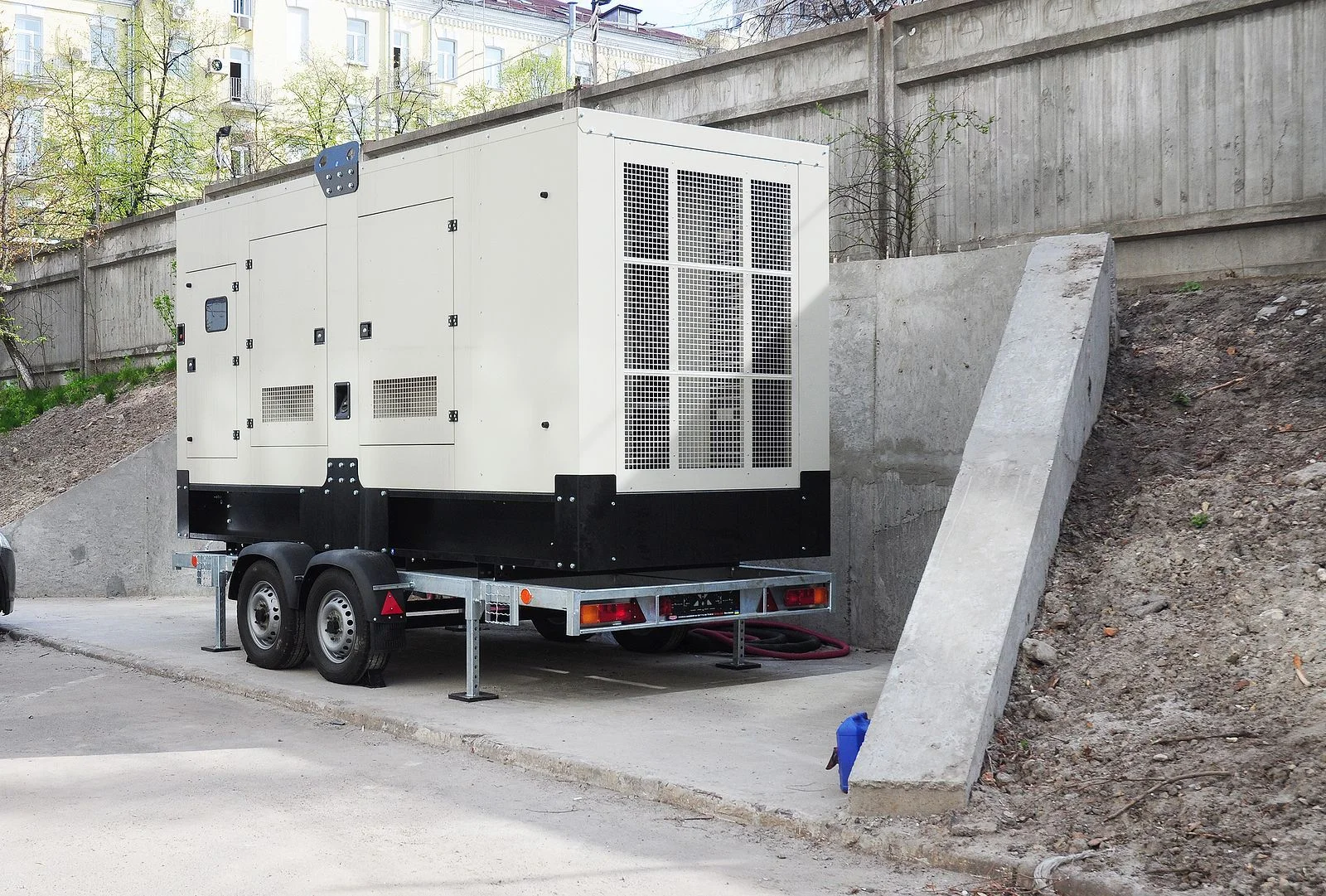
Natural Gas versus Diesel Generators
Natural gas generators offer a clean-burning alternative with lower carbon emissions and quieter operation. They connect directly to gas pipelines, eliminating the need for on-site fuel storage. While they require more maintenance (such as spark plug replacements), they are often more cost-effective for long-term, continuous use. In terms of low loads (not being used to their full capacity) natural gas generators tend to handle these more efficiently, making them more reliable in situations where they are not being fully used.
Diesel generators, on the other hand, are known for their efficiency and durability, making them ideal for high-power demands and emergency backup systems. They store fuel on-site, operate without spark plugs, and require minimal maintenance. However, they produce higher emissions, and diesel generators can experience problems such as incomplete combustion, soot buildup, or engine wear if they frequently run at low loads, so they are not as suitable for that type of long-term performance.
Where and How Are They Used?
Natural gas generators are a better fit for urban areas, facilities with existing pipeline access, businesses prioritizing sustainability, and locations with long-term power needs. If you have access to natural gas pipelines, operate in a city with strict environmental laws, or need long-term cost savings, natural gas is the better choice.
Diesel generators excel in hospitals, manufacturing plants, construction sites, data centers, and agricultural operations—anywhere requiring heavy-duty power and reliability. If you need reliable backup power in remote areas or high-output industrial performance, diesel is the way to go.

Regulatory Requirements for Natural Gas versus Diesel Generators
Regulations surrounding standby power generators are becoming stricter, particularly for diesel engines. The Best Available Control Technology (BACT) update in December 2024 requires that small to medium-sized standby diesel generators meet EPA Tier 4 emissions standards. This means businesses installing new diesel generators must comply with the latest, more stringent emissions requirements.
For companies considering natural gas or diesel generators, understanding these rules is essential to ensure compliance, avoid unexpected fees, and make an informed decision about the best backup power option. We broke down some of the guidelines to consider below.

As emission regulations continue to evolve, natural gas generators provide a scalable and sustainable solution for businesses that need dependable backup power without the increasing regulatory burden placed on diesel engines.
Frequently Asked Questions (FAQs) About Natural Gas versus Diesel Generators
What factors should I consider when deciding between a diesel and a natural gas generator?
- The first thing you should consider is fuel availability. If you have access to a reliable natural gas supply, a natural gas generator may be the more convenient choice, and diesel is preferable if fuel storage is a concern.
- In California, environmental impact and compliance is key, so know that natural gas burns cleaner and produces lower emissions.
- Maintenance is something to think about long-term. Understand that diesel generators typically require more frequent maintenance, whereas natural gas models have fewer fuel-related issues.
- In addition, consider power output needs. Diesel generators are generally more efficient for handling high loads.
- Emergency preparedness should also be kept in mind, and diesel is often the better option since it allows for on-site fuel storage, ensuring reliability during power outages.
- Finally, think about long-term operational costs. While diesel may be more fuel-efficient, natural gas can offer lower operational costs due to its cleaner combustion and reduced maintenance needs.
Which generator type has a longer lifespan, diesel or natural gas?
Diesel generators as well as natural gas can both operate for 20-25 years. Factors such as low-load usage or corrosion from fuel storage might affect the lifespan of diesel units.
Are natural gas generators quieter than diesel generators?
Yes, natural gas generators generally produce less noise and vibration compared to diesel models.
Do natural gas generators produce a smell?
No, natural gas generators burn cleaner than diesel generators, which produce more noticeable, strong, unpleasant odors if running for longer periods.
Which generator type is more cost-effective in the long run?
While diesel generators have higher fuel efficiency, natural gas generators often have lower fuel costs and fewer emissions-related expenses.
Can diesel or natural gas generators be used for continuous power generation?
Yes, both types can be used for continuous power, but natural gas generators are often preferred for long-term, uninterrupted operation due to their steady fuel supply.
How does CD & Power assess my backup power needs?
We begin by evaluating whether you need to back up your entire site or just specific equipment. Our team helps you weigh the costs and benefits, including potential expenses for rerouting circuits. We also guide you in selecting the best fuel source, considering factors like natural gas reliability during emergencies and diesel’s maintenance requirements. Additionally, we determine the optimal indoor or outdoor installation location while ensuring compliance with fuel storage and exhaust regulations.
Do I need permits for generator installation?
Yes, generator installation is highly regulated. Building and air quality district permits are required, and the process can take a year or more. We handle the permit applications and work with the relevant authorities to streamline approval.
What steps does CD & Power take for installation?
Once we establish your backup power needs, we collaborate with engineers to size the generator, fuel tank, and other necessary equipment. We create detailed engineering drawings and act as the prime contractor, managing the sale of Automatic Transfer Switches (ATS) and other equipment, securing permits, and overseeing contractors involved in electrical work, cement, and fencing.
How does CD & Power ensure my generator is functioning correctly?
After installation, we conduct a full startup and testing process. This includes verifying power phase rotation, performing a live building transfer to simulate an outage, and ensuring the ATS properly communicates with the generator. Once the system runs successfully and produces the correct voltage, we restore utility power and confirm a seamless transfer.
How can I get started?
You can use our Generator Sizing Calculator to estimate the proper size, request an estimate for a commercial standby generator, explore options for home generators, or learn about portable generator rentals.
Natural Gas versus Diesel Generators – Which One Works for You?
At CD & Power, we know that picking the right generator is a big decision. Whether you prioritize efficiency, reliability, or sustainability, we have the expertise to guide you. Contact us today for a consultation, and let’s find the best power solution for your business!


